


Modernizing a banking core is often compared to changing the engines of a plane mid-flight. But in the AI era, the metaphor needs an upgrade. The real challenge isn't just the technical swap: it’s that the original flight manuals have vanished, and the pilots who mastered every detail of the system have retired.
In my previous article, I explored why traditional modernization fails and why we must shift towards "Agentic Evolution" to recover lost institutional knowledge. This time, we are diving into the structural shifts and agentic workflows required to transform the modernization journey into a scalable, high-velocity engine for architectural evolution.
Deep Discovery: Solving the "Digital Archaeology" Challenge in Core Banking
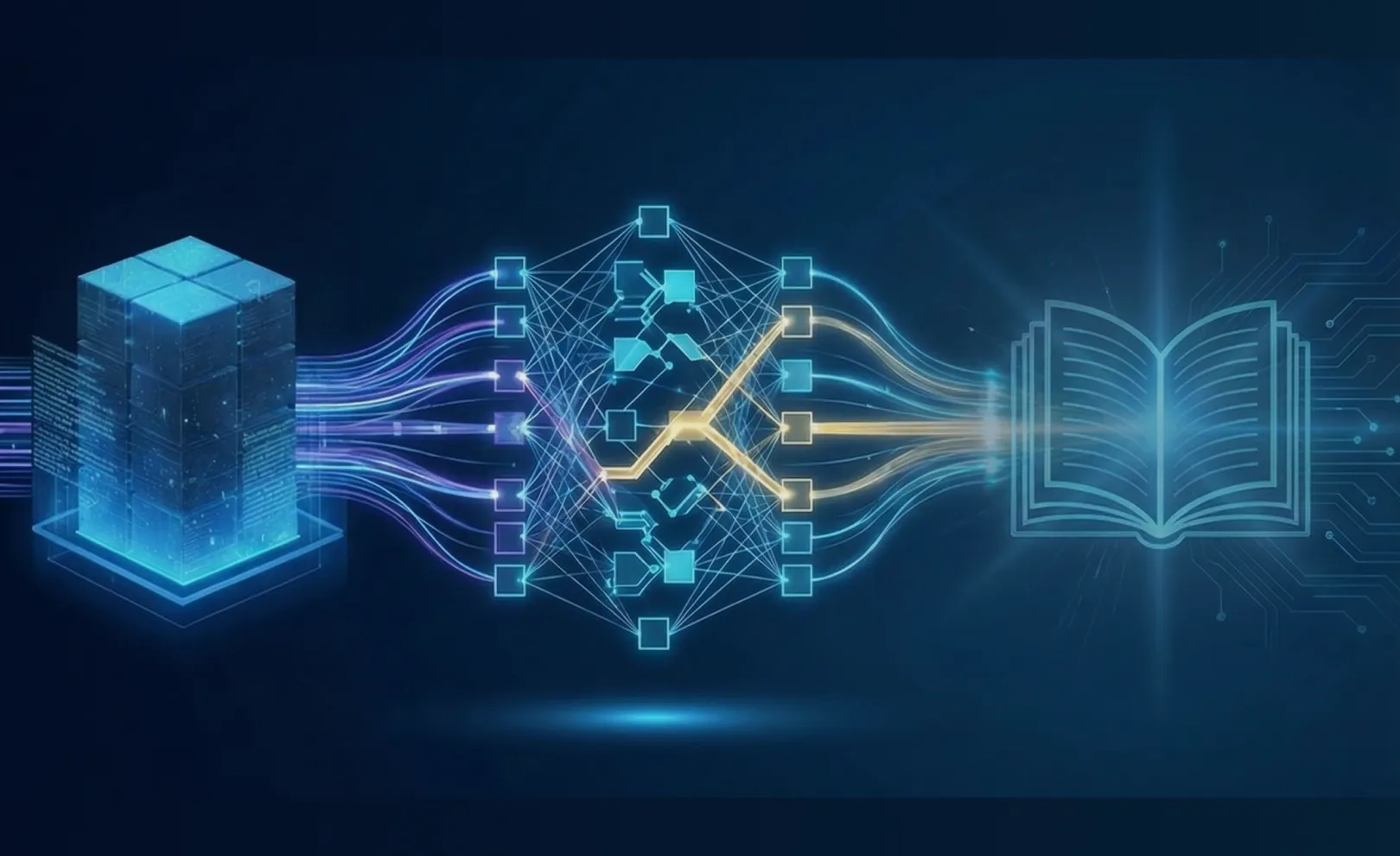
The first friction point in any migration is the complexity of the initial analysis. Traditionally, months are wasted trying to understand the "As-Is" state of undocumented systems. A more effective approach involves utilizing AI agents to perform high-velocity Knowledge Recovery during the initial stages of the project.
These agents extract hidden business rules and map complex interdependencies, creating a System of Organizational Knowledge. This ensures the modernization process starts with a clear, data-driven map, significantly reducing the dependency on scarce legacy expertise and providing full visibility into the "As-Is" state.
The Iterative Modernization Loop: A Predictable Path to Execution
Iterative execution, when treated as a best-practice approach, establishes a reliable foundation for core modernization without compromising a steady innovation roadmap:
- Segmented Ingestion: Targeting specific business domains or modules allows for modernization in manageable, high-impact stages. This enables the organization to demonstrate immediate value early in the process.
- Agentic Refinement: AI agents propose the target architecture based on discovered logic, while humans-in-the-loop validate the architectural intent. This ensures every step aligns with current business requirements.
- Continuous Validation: Each iteration ends with automated verification. Confirming the new components are ready for production before moving to the next segment eliminates hidden risks and maintains operational stability.
Key AI-Native Capabilities: Accelerating the Migration Journey
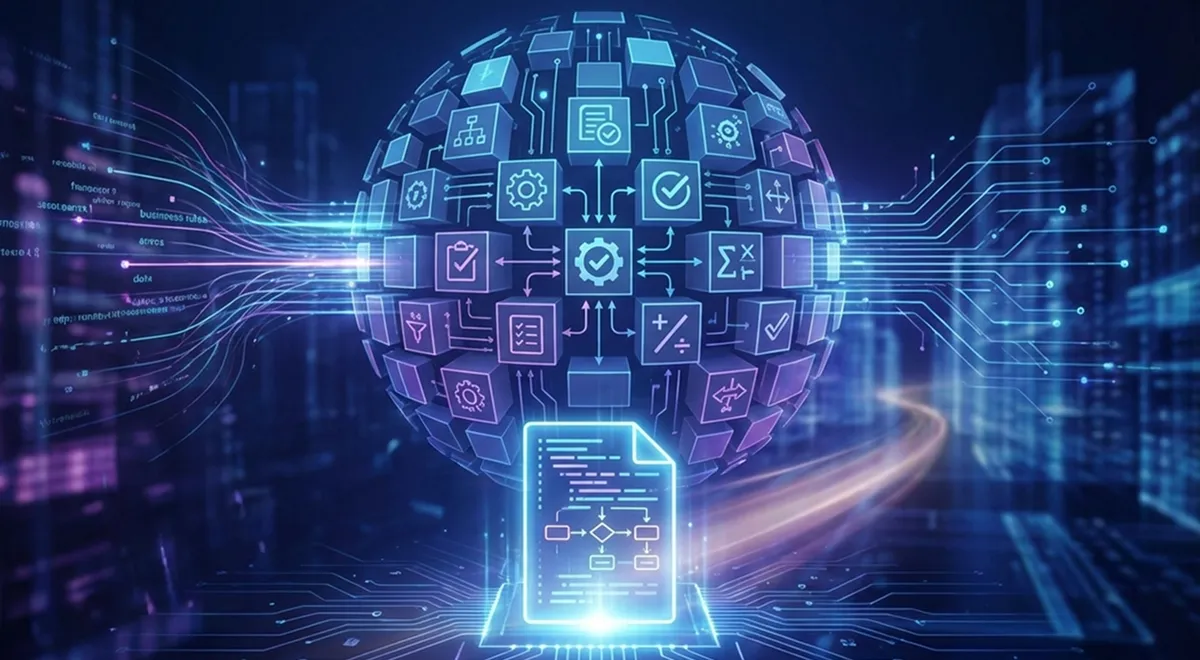
In practice, we have identified three key AI use cases that drive efficiency across the entire modernization process:
- Discovery Stage | Automated Knowledge Recovery: Deploying agents to interrogate undocumented codebases –from COBOL and RPG to legacy Java– allows for the recovery of business rules trapped within "black boxes." This transforms obscure code into a System of Organizational Knowledge, restoring architectural oversight and neutralizing the risk of knowledge silos.
- Development Stage | Figma-to-Code Automation: By coding the bridge between design systems and production-ready code, absolute architectural consistency is achieved. This workflow feeds a reusable knowledge catalog that allows teams to deploy high-fidelity interfaces, drastically reducing implementation times (ramp-up) and ensuring that global design standards are automated at scale.
- Validation Stage | Verified Functional Equivalence: Utilizing agents to autonomously generate and execute comprehensive test suites verifies complex transaction flows. This is the most reliable method to guarantee functional equivalence, compressing traditional stabilization periods from months to weeks.
The Human Factor: Engineering Teams as Architects of Intent
Moving to an AI-native model is, at its core, a human and organizational challenge. It requires engineering teams to move away from being “manual builders” to becoming Architects of Intent.
This shift amplifies human talent. When agents handle the heavy lifting of legacy decoding and repetitive testing, engineers finally have the headspace to solve the complex financial puzzles that actually move the needle for the business.
The perfect synergy between agentic automation and senior engineering oversight is what ultimately ensures a scalable, high-confidence transition to a modern architecture. For a deeper look at the real-world applications of this methodology, I invite you to explore intive’s AI-native legacy migration approach.
.png)

.png)


.png)
.png)
.png)
.png)