



Faster Migration:
AI-assisted analysis of the Collections module's legacy core took just three weeks, compared with the months it would normally take.

Business logic had built up over years with no formal documentation, and only one person understood the system. That made the risks of any change to the core hard to anticipate.
The bank had already started the migration, but understanding how each module behaved took weeks of manual analysis. intive proposed using AI tools to improve both the quality and the timeline of the process, starting with one segment of the Collections module. If the Proof of Concept succeeded, the methodology would be extended to the rest of Collections and to other modules.
With no documentation available, the code itself was the only source of truth. intive's experts started with a Discovery phase, using LLMs to extract business logic directly from the codebase and organize it into a structured technical document. They then built a prompt architecture that let AI generate new frontend code tailored to the bank's environment.
Over three weeks, intive used LLMs to process the source code of every window in the Collections module. The team developed an iterative process to extract the underlying business logic: validations, error messages, calculation formulas, and workflow rules. This meant making methodological decisions about how to query the AI for each type of analysis. The team documented those decisions in a prompting best-practices guide that can be reused for the bank's remaining modules.
Next, the team organized the extracted information into a coherent whole, capturing the module's business rules, validations, formulas, and workflows. The result was a functional technical document, validated by the legacy expert, that describes how the Collections module works. It became the source of truth for implementation.
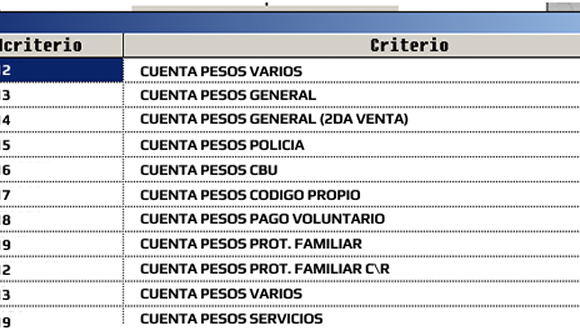
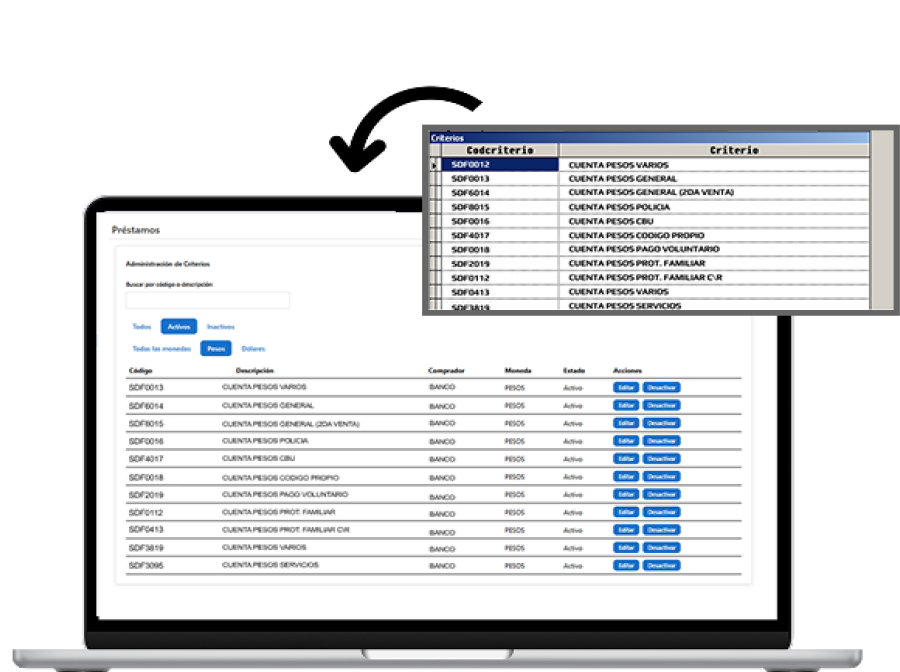
With the validated document in hand, intive built the frontend in React, using AI as the primary code generation engine. The challenge was getting AI to produce code that fit the bank's environment without breaking its architecture or visual identity.
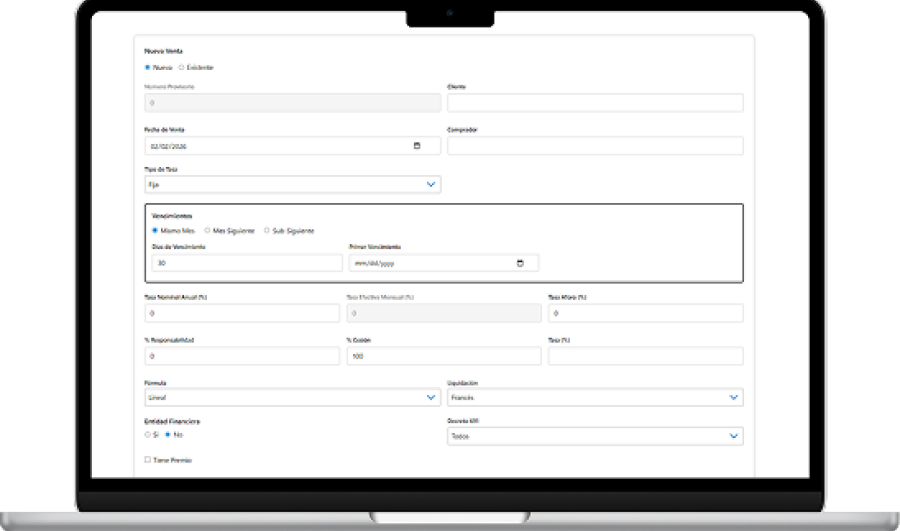
intive built a structured system of instructions and context. It included the bank's design system, screenshots of Figma designs, patterns from interfaces that had already been migrated, and the project's architectural conventions. The AI used the client's own knowledge as its only reference. As a result, the bank received a reusable knowledge catalog. Any developer joining the project can use it from day one to generate consistent, high-quality interfaces quickly.
The workflow had three steps. A developer defined the screen or feature to build. The AI generated code aligned with the design system, respecting existing components, naming conventions, and patterns. A reviewer then validated the output. Any adjustments were also made through the AI. The generated code met all of the bank's quality standards without a single line written manually.
Faster Migration:
AI-assisted analysis of the Collections module's legacy core took just three weeks, compared with the months it would normally take.
Lower Migration Risk:
Documenting and validating business logic before development minimized the risk of replicating behaviors that had been misunderstood.
Faster Onboarding:
Two developers with no prior domain knowledge carried out the migration at the same level as experienced team members.
Less dependency
on the legacy expert:
Their involvement was reduced to a single validation checkpoint at the end of the analysis phase, which freed the technical lead for other critical work.
AI-generated, human-validated code:
Interfaces built by AI and reviewed by developers met all of the bank's quality standards.
A methodology ready to scale:
The reusable knowledge catalog is being handed over to the bank's own team so they can use it independently on the remaining modules. Any developer joining the project can continue the migration consistently and quickly, whatever their background.
Improved user experience:
The migrated interfaces are now in production and have replaced the legacy system's windows. The technical team can now maintain and evolve the product without depending on obsolete technology.


